Commercial HVAC Emergency Lead Capture: Never Lose a Call
Quick Answer
Commercial HVAC emergency lead capture requires 24/7 call answering because building emergencies happen outside business hours when property managers call multiple contractors simultaneously. The first company to answer wins the contract. AI-powered call handling answers instantly, collects building details and urgency level, dispatches alerts to on-call technicians, and captures six-figure emergency contracts that voicemail systems lose to competitors.
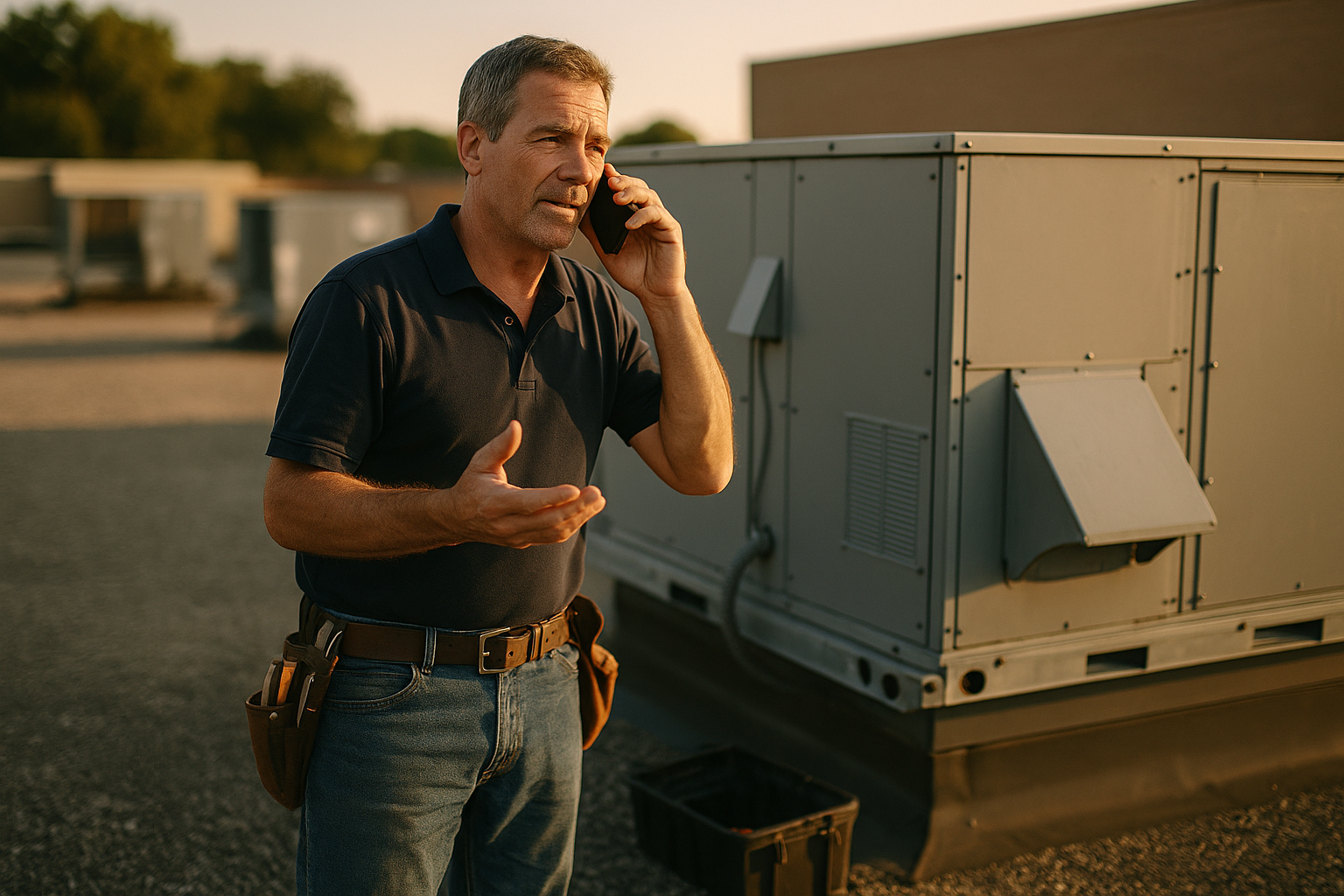
Saturday night, 11 PM. A 20-ton rooftop unit fails at a 200-seat restaurant during a fully booked dinner service. The kitchen temperature hits 95 degrees. The property manager pulls up Google, searches "commercial HVAC emergency repair," and starts calling. The first company answers with a voicemail greeting. The second company: voicemail. The third company picks up, collects the building address, dispatches a technician, and locks in a $75,000 replacement contract by Monday morning. Commercial HVAC emergency lead capture is the difference between winning and losing your most profitable work.
According to InsideSales, 78% of customers buy from the first business that responds. In commercial HVAC, where a single emergency call can lead to a $50,000 to $1,000,000+ contract, being second means being invisible.
Why Do Commercial HVAC Companies Lose Their Best Leads?
Commercial HVAC emergencies follow a predictable pattern that works against traditional business hours. According to CallRail, 28% of all business calls go unanswered during operating hours. After 5 PM and on weekends, that number climbs dramatically for companies without dedicated after-hours systems.
The commercial HVAC emergency cycle peaks at the worst possible times for staffed phones:
- Evenings (6 PM - midnight): Restaurants, hotels, and event venues discover HVAC failures during peak occupancy when comfort is non-negotiable.
- Weekends: Property managers for office buildings catch up on maintenance issues and need contractors lined up for Monday.
- Extreme weather events: Heat waves and cold snaps trigger cascading failures across multiple buildings simultaneously, flooding HVAC companies with calls they cannot handle.
The financial stakes in commercial HVAC dwarf residential work. Here is how project values compare:
| Building Type | Emergency Repair | Full Replacement | Ongoing Service Contract |
|---|---|---|---|
| Restaurant/Retail | $5K-$15K | $50K-$150K | $12K-$36K/yr |
| Office Building | $10K-$30K | $100K-$500K | $24K-$60K/yr |
| Data Center | $15K-$50K | $200K-$1M+ | $48K-$120K/yr |
| Hospital/Medical | $20K-$75K | $300K-$1M+ | $60K-$150K/yr |
A single missed emergency call from a data center facility manager could cost your company a million-dollar project. And that facility manager will not call back. They will call the next company on the list.
Why Answering Services and On-Call Rotations Fall Short
Most commercial HVAC companies try to solve after-hours coverage with one of two approaches: a third-party answering service or an on-call technician rotation. Both create problems that cost revenue.
Traditional answering services take a message and promise a callback. But a property manager with a failed cooling system at a 50,000-square-foot office building does not want a callback promise. They want to know someone is handling it right now. According to CallRail, 85% of callers who reach voicemail or a message-taker will not wait for a callback. They move on.
On-call rotations create a different problem. The technician on call is often already on a job, driving, or asleep. Calls ring through to a personal cell phone that may go unanswered for 20 to 30 minutes. According to Harvard Business Review, the probability of qualifying a lead drops 21 times after just 30 minutes of response delay. By the time your on-call tech calls back, the property manager has already confirmed another contractor.
Neither approach handles the critical first moment: instantly answering, collecting essential building information, assessing urgency, and confirming that help is on the way. That first moment is where commercial contracts are won or lost.
How AI Captures Commercial HVAC Emergency Leads 24/7
AI-powered commercial HVAC emergency lead capture replaces the weakest link in your after-hours system, the unanswered phone, with an intelligent first responder that never sleeps. Here is exactly how it works for commercial HVAC operations.
Instant Emergency Triage
The AI answers every call on the first ring, 24 hours a day, 365 days a year. It immediately identifies emergency versus routine maintenance calls by asking targeted questions: What type of building? What equipment is affected? When did the failure occur? Are occupants at risk? This triage process takes under two minutes and gives your dispatch team everything they need to respond.
Automated Technician Dispatch Alerts
Once the AI qualifies an emergency call, it sends an instant SMS and email alert to your on-call technician with all collected details: building address, contact name, equipment type, and urgency level. According to HubSpot, SMS has a 98% open rate compared to 20% for email, ensuring your technician sees the dispatch alert within seconds, not hours.
Property Manager Communication Loop
While dispatching your team, the AI sends the property manager a confirmation text: "Your emergency has been received. A technician has been notified and will contact you within [timeframe]." This confirmation alone separates you from every competitor who sent the caller to voicemail. The property manager stops calling other companies because they have a confirmed response.
Lead Data Captured in CRM
Every call, text, and interaction is automatically logged in your CRM with full details. Building type, square footage, equipment model, contact information, and call recording are all captured. This data feeds your sales pipeline for follow-up service contracts, which represent the most profitable recurring revenue in commercial HVAC. The pattern of HVAC companies losing leads to missed calls is well documented, and commercial operations face even higher stakes.
A Saturday Night Emergency: First Responder Wins $180K
Consider a commercial HVAC company in a major metro area serving office buildings, restaurants, and medical facilities. On a July Saturday night during a heat wave, a property management company calls about a failed chiller system at a three-story medical office building. The cooling system serves sensitive equipment and patient areas.
Before AI, this call would have gone to the owner's personal cell phone. He is at dinner with his family and misses it. By the time he checks his phone 45 minutes later, the property manager has already confirmed another contractor.
With AI handling the call, the system answers instantly, collects the building address, equipment type (250-ton chiller), occupancy status, and the property manager's direct number. Within 30 seconds, the on-call technician receives a text with all details. He calls the property manager within five minutes. By Sunday afternoon, the company has a signed emergency repair contract worth $28,000, which leads to a full chiller replacement project worth $180,000 and a $48,000 annual service agreement.
Total revenue from one answered call: $256,000 in the first year alone. According to Salesforce, 64% of commercial customers expect real-time engagement regardless of when they reach out. In emergency situations, that expectation becomes absolute.
Win Six-Figure Emergency Contracts While Competitors Sleep
See how AI captures every commercial HVAC emergency call and dispatches your team instantly.
Book Your Free Strategy CallHow Emergency Calls Become Recurring Revenue
The most valuable aspect of commercial HVAC emergency lead capture is not the emergency repair itself. It is the long-term relationship that follows. Property managers who experience a fast, professional emergency response almost always transition into annual service contracts. These contracts provide predictable monthly revenue with higher margins than emergency work.
A typical progression looks like this: emergency repair ($10K-$50K) leads to a preventive maintenance agreement ($24K-$60K per year), which leads to capital replacement projects ($100K-$500K+) when equipment reaches end of life. One relationship with a single property management company can generate $500,000 or more over five years.
AI supports this entire lifecycle. After the emergency, automated follow-up sequences send the property manager maintenance proposals, seasonal check-in reminders, and equipment health reports. The AI after-hours lead capture system keeps working long after the emergency is resolved, nurturing the relationship into recurring contracts.
According to HubSpot, 80% of sales require five or more follow-up touches before closing. For commercial HVAC service agreements, that number is often higher because multiple stakeholders (property manager, building owner, facilities director) are involved in the decision. AI handles the follow-up cadence automatically so no touchpoint gets missed.
The same after-hours lead capture strategy used by roofing companies applies to commercial HVAC, but the contract values are significantly higher. A missed call in residential HVAC might cost $5,000. A missed call in commercial HVAC can cost $500,000.
Frequently Asked Questions
How fast does AI answer commercial HVAC emergency calls?
AI answers every call on the first ring, around the clock, every day of the year. There is no hold queue, no voicemail tree, and no wait time. The system begins emergency triage immediately, asking about building type, equipment affected, occupant status, and urgency. Within two minutes of the call, your on-call technician receives a detailed SMS dispatch alert with the building address, contact name, equipment information, and severity level.
Can AI distinguish between emergency and routine HVAC calls?
Yes. The AI uses custom question flows designed for commercial HVAC operations. Emergency triggers include complete equipment failure, occupant comfort complaints, temperature-sensitive environments like server rooms or medical facilities, and calls placed outside business hours. Routine maintenance requests, filter changes, and seasonal tune-up inquiries are logged in the CRM and scheduled during normal business hours without triggering emergency dispatch.
What does AI-powered lead capture cost for a commercial HVAC company?
Plans start at $997/mo with no contracts. Setup takes 7 to 14 days, during which the AI is trained on your service area, equipment specialties, emergency protocols, and dispatch procedures. For commercial HVAC companies where one emergency call can generate $50,000 to $500,000+ in project revenue, capturing a single additional emergency lead per month delivers ROI that exceeds the annual system cost many times over.
The First Company to Answer Wins the Contract
Commercial HVAC emergencies do not wait for business hours. A failed rooftop unit at a restaurant on a Friday night, a dead chiller at a data center on a holiday, a broken heating system at a hospital in January: these calls happen when your office is empty and your phone goes to voicemail.
Every unanswered emergency call is a six-figure contract that goes to the competitor who picked up the phone. AI ensures that competitor is always you.
Your technicians are the best in the business. Make sure the phone system matches.
Stop Losing Emergency Contracts to Voicemail
Book a free strategy call and see how AI captures every commercial HVAC lead, day and night.
Book Your Free Strategy Call