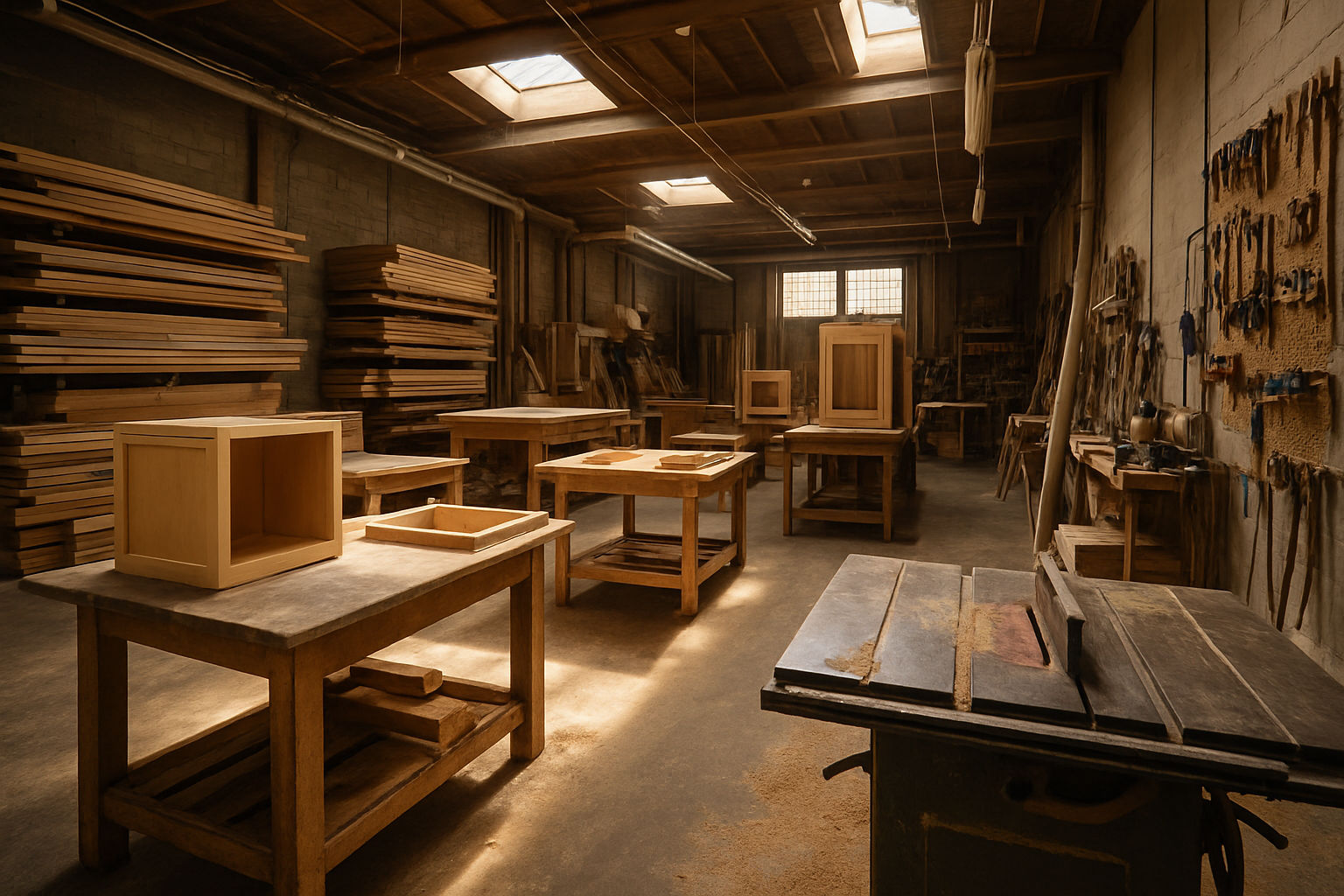
Why Custom Cabinetry Shops Lose $50K Clients Before the First Call
Quick Answer
Custom cabinetry shops lose $50K clients because high-end buyers expect premium service from the first contact. A slow response to an initial inquiry signals that the shop's service won't match the price tag. AI-powered follow-up ensures every lead gets an immediate, professional response and consistent nurturing through the weeks-long design-to-sign timeline.
Custom cabinetry contractors and millwork shops build extraordinary work. The craftsmanship is there. The materials are first-rate. The finished products end up in design publications and client referrals. But losing $50K clients before the first design consultation is a pervasive problem in the custom cabinetry industry, and it has nothing to do with the work itself. It happens in the hours and days between when a high-value client first reaches out and when someone at the shop actually responds. This post explains exactly where custom cabinetry contractors lose high-value leads and what the fix looks like.
Why High-End Cabinetry Clients Disappear After the First Inquiry
The psychology of a $50,000 to $200,000 custom cabinetry client is different from a homeowner getting a routine estimate. A client commissioning whole-home millwork or a commercial project with custom built-ins is making a significant financial and aesthetic investment. They're comparing three to five shops. They're evaluating portfolio quality, communication style, and service level simultaneously.
When they send a contact form at 9pm on a Thursday after spending two hours on your website and Instagram feed, the next morning's response isn't good enough. By the time you call Friday morning, they've already heard back from two other shops. One sent an automated text acknowledgment within minutes and followed up with a personal call first thing Friday morning. The other emailed a portfolio link with a specific note referencing the project type they mentioned on the form. You called, got their voicemail, and left a generic message.
According to CallRail, 28% of business calls go unanswered and 85% of callers who reach voicemail will not leave a message. For a custom cabinet shop where the owner is in the shop building and a dedicated office staff member may not exist, this pattern plays out daily. The client moves to the next shop on their list. The $50K project is gone before anyone knew it was there.
The Design-Phase Decision Window: Where Most Cabinetry Leads Are Lost
Custom cabinetry has one of the longest decision cycles of any home improvement purchase. A client planning whole-home millwork may take 4 to 8 weeks from initial research to signed contract. A commercial client doing a restaurant buildout or high-end office with custom built-ins is managing multiple vendor relationships over a 6 to 12-week preconstruction window.
That long timeline is both an opportunity and a risk. It's an opportunity because consistent follow-up during the decision phase builds the relationship that closes the contract. It's a risk because most custom cabinetry shops are terrible at maintaining contact during that period. The owner is building. The shop staff is focused on production. Nobody is sending a text to the client who had the design consultation three weeks ago and went quiet.
Research from HubSpot shows that 80% of sales require five or more follow-up touches to close. In a high-consideration purchase like custom millwork, that's not an exaggeration. The client who seems interested after the design consultation is still comparing shops, waiting for other proposals, and making a decision that reflects months of thought. The shop that stays in contact, provides helpful information, and demonstrates professionalism at every touchpoint wins the project. The shop that sends one email and waits does not.
Commercial millwork clients add another layer of urgency. A GC doing a restaurant buildout needs millwork bids turned around quickly to stay on their permitting schedule. Slow response to a commercial inquiry means the shop doesn't get considered for the project at all, regardless of the quality of their work.
Where Custom Cabinetry Shops Lose Leads: A Stage-by-Stage View
Stage 1: First Contact (The Critical 60 Minutes)
A potential client submits an inquiry through a website, Instagram DM, or Houzz message. This is the highest-intent moment in the entire lead journey. They're actively reaching out. Research from Harvard Business Review shows companies are 21 times more likely to qualify a lead if they respond within five minutes versus 30 minutes. For cabinet shops without a dedicated office staff, that five-minute window is nearly impossible to hit manually. The lead sits uncontacted for hours.
Stage 2: Post-Consultation Follow-Up (Weeks 1 to 4)
After the design consultation, the client goes home to compare options, discuss with their partner, and wait for proposals from other shops. This is where consistent follow-up determines the outcome. Most cabinet shops send a proposal and wait. The shops that win send the proposal, follow up with a text two days later, send an email at one week with a relevant project photo, and call at two weeks. That level of engagement signals the premium service experience the client expects to receive during the project itself.
Stage 3: Commercial GC Bid Requests (Time-Critical)
A GC requests a millwork bid for a restaurant, retail space, or office buildout. The bid window is 48 to 72 hours. If the custom cabinet shop doesn't respond within that window to confirm bid participation, the GC moves on. The shop never gets the chance to quote. Every missed commercial bid is a $25K to $200K opportunity that simply disappears.
| Lead Type | Average Project Value | Decision Timeline | Follow-Up Required |
|---|---|---|---|
| Whole-home millwork | $50K-$200K | 4-8 weeks | 5+ touches over decision window |
| Kitchen remodel cabinetry | $20K-$65K | 2-4 weeks | 3-5 touches |
| Commercial millwork (GC bid) | $25K-$200K | 48-72 hours | Immediate confirmation required |
| Custom office built-ins | $15K-$50K | 2-6 weeks | 3-4 touches |
Stop Losing Custom Cabinetry Clients to Shops That Follow Up Better
Book a free strategy call to see how AI lead capture and follow-up automation works for custom cabinetry and millwork shops. No long-term contracts. Up and running in 7-14 days.
Book Your Free Strategy CallHow AI Follow-Up Supports Custom Cabinetry Shops Through Long Sales Cycles
AI-powered follow-up gives custom cabinetry and millwork shops the communication infrastructure that individual craftspeople running small shops rarely have the bandwidth to maintain manually.
The system starts at first contact. The moment a lead submits a form, sends a DM, or calls and reaches voicemail, the AI responds within 60 seconds. The response is professional and specific: it acknowledges the inquiry, asks a qualifying question about the project scope and timeline, and creates a warm opening for the relationship. The client doesn't experience a cold, unresponsive shop. They experience a business that takes their inquiry seriously.
After the initial contact, the follow-up sequence runs automatically. The AI sends the right message at the right interval throughout the decision window. Two days after the design consultation: a short text checking if they had questions after reviewing the proposal. One week later: an email noting a similar project the shop recently completed. Two weeks out: a gentle follow-up asking if they're ready to discuss next steps. The shop's owner and craftspeople stay focused on building. The system maintains the client relationship.
For commercial millwork bids, the AI captures and confirms bid interest immediately when the GC call comes in. The estimator gets a complete inquiry summary with project details and the GC's contact information. The confirmation goes back to the GC before another shop beats them to it.
For a detailed breakdown of why consistent follow-up is the most overlooked driver of contractor revenue, read Why Contractors Lose Estimates: The Follow-Up Problem Nobody Talks About.
A Real Scenario: Custom Cabinet Shop and a Lost Whole-Home Project
Here's a specific example. A custom cabinet shop in Scottsdale, Arizona, does primarily high-end kitchen and whole-home millwork for custom home builders and direct homeowner clients. Their average residential project runs $45,000 to $75,000. Average commercial project is around $55,000.
A homeowner spending eight months building a new custom home submitted an inquiry through the shop's website on a Saturday afternoon. She was comparing four cabinet shops for whole-home millwork. The Scottsdale shop didn't see the inquiry until Monday morning. By then, two other shops had already responded, one with an automated acknowledgment and one with a personal email from the owner. The Scottsdale shop called Monday morning, had a good conversation, and sent a proposal by Wednesday.
The homeowner signed with another shop. When the Scottsdale owner asked why, the feedback was direct: the other shop responded immediately over the weekend and that felt like a sign of the service they'd receive throughout the project. The project value was $78,000.
After implementing AI-powered lead capture, that same shop stopped losing weekend inquiries. Their AI responds to every contact within 60 seconds, asks qualifying questions about the project, and schedules a consultation. Within two months, they converted two large residential projects and one commercial built-ins job that they would have previously lost due to slow response.
For more on reducing no-shows and maintaining client engagement after a consultation, see How Contractors Reduce No-Shows With Automated Reminders.
What High-End Cabinetry Clients Actually Want From the First Contact
Understanding the mindset of a $50K to $200K custom cabinetry client explains why first-contact responsiveness matters so much. These clients are not comparison-shopping on price alone. If they were, they'd be calling big-box cabinet installers. They're choosing a custom shop because they want craft quality and a premium service experience. The responsiveness and professionalism of your initial communication is the first data point they collect about whether your shop delivers that experience.
A slow response sends the wrong signal. It suggests the shop is disorganized, too busy, or indifferent to their project. A premium, immediate response sends the right signal: this shop is professional, attentive, and takes client relationships seriously. That impression, formed in the first 60 seconds of interaction, shapes the entire decision process.
According to Salesforce, 64% of consumers expect real-time responses from businesses. For luxury and custom services, that expectation is even more pronounced. High-end clients equate response speed with service quality, and they're comparing you to every other premium service provider they've ever dealt with, not just other cabinet shops.
For the specific mechanics of how fast response converts leads, see How Multi-Channel Follow-Up Helps Contractors Win More Bids.
Frequently Asked Questions
Why do custom cabinetry shops lose clients after a design consultation?
Clients comparing multiple custom shops make their decision during the 2-6 weeks after the consultation. Shops that follow up consistently across SMS and email stay top of mind and build the relationship. Shops that send one proposal and wait lose to competitors who stay in contact. HubSpot data shows 80% of sales require five or more follow-up touches to close.
How important is response speed for custom cabinetry leads?
Extremely important. High-end cabinetry clients treat response speed as a direct signal of the service quality they'll receive during the project. If a shop doesn't respond to an initial inquiry within hours, the client moves to the next shop on their list. Harvard Business Review data shows leads are 21 times more likely to convert with a five-minute response compared to a 30-minute response.
Can AI follow-up work for the long sales cycles custom cabinetry projects require?
Yes. AI follow-up sequences are configurable to the specific decision timeline of custom millwork clients. The system sends the right message at the right interval over a 4-8 week window, maintaining the client relationship without requiring manual effort from the owner or craftspeople. The shop focuses on building. The system focuses on the relationship.
The Craft Is Excellent. The Follow-Up Has to Match.
Custom cabinetry shops and millwork contractors lose $50K clients not because their work is inferior but because their communication doesn't match the quality of what they build. High-end clients expect premium service from the first contact. When they experience a slow, disorganized first interaction, they take their $50K project to a shop that communicates better, even if the craftwork is equivalent.
The fix is a system, not a person. An AI receptionist and automated follow-up sequence ensure every lead gets an immediate response, every post-consultation client gets consistent nurturing, and every commercial bid request gets a same-day confirmation. The craft gets to speak for itself. The system makes sure clients are still there to hear it.
Your Craftsmanship Deserves Clients Who Actually Hear From You
Book a free strategy call to see how AI lead capture and follow-up automation works for custom cabinetry shops. Stop losing $50K projects to shops that respond faster.
Book Your Free Strategy Call