How to Set Up a GoHighLevel Pipeline for Roofing Companies
Quick Answer
A GoHighLevel pipeline for roofing companies uses five stages: New Lead, Contacted, Inspection Scheduled, Estimate Sent, and Job Booked/Lost. Each stage triggers automated follow-ups so no lead falls through the cracks, especially during high-volume storm season.
A single hailstorm can flood a roofing company with 50 to 200 leads in 48 hours. Without a structured gohighlevel pipeline roofing system, most of those leads vanish before your crew ever picks up the phone. According to HBR, responding within five minutes makes you 21 times more likely to convert compared to waiting 30 minutes. That is the difference between a $15K signed contract and a homeowner who already called your competitor.
The problem is not your sales ability. The problem is visibility. When leads live in spreadsheets, sticky notes, and scattered text threads, there is no way to know which prospects need attention right now. A GoHighLevel pipeline solves this by giving every lead a clear stage, a next action, and automated follow-up that runs whether you are on a roof or in a meeting. This guide walks you through the exact five-stage pipeline built specifically for roofing operations, including the automations that make it work on autopilot.
Why Do Roofing Companies Lose So Many Leads?
Roofing is one of the highest-value trades in home services. The average residential job runs $10K to $25K, and commercial projects can exceed $100K. Yet roofing companies consistently lose 30% to 50% of their inbound leads before ever making contact. The reason is structural, not personal.
InsideSales research shows that 78% of leads go to the first company that responds. In roofing, response time is especially critical because homeowners dealing with storm damage or active leaks are calling multiple contractors simultaneously. They are not waiting for a callback tomorrow morning.
CallRail data confirms that 28% of business calls go unanswered, and 85% of those callers will never leave a voicemail or try again. For a roofing company averaging $15K per job, losing just five leads per month to slow response means $75K in missed revenue, every single month.
Storm season amplifies the problem. When leads spike from 10 per week to 10 per day, the gaps in your process become canyons. The office coordinator cannot manually track 40 to 60 active leads across different stages while also scheduling inspections, sending estimates, and fielding new calls. Something always falls through. According to Salesforce, 64% of consumers now expect real-time responses from businesses they contact. Without a system that enforces speed and consistency, roofing companies are leaving six figures on the table annually.
What Happens When Roofing Leads Are Managed Without a Pipeline?
Most roofing companies under $3M in revenue manage leads the same way: a combination of spreadsheets, phone notes, and the office manager's memory. It works when volume is low. It breaks the moment things get busy.
Here is what the typical process looks like without a pipeline:
- A homeowner calls or fills out a web form
- Someone writes the name and number on a notepad or enters it into a spreadsheet
- The sales rep gets a text or verbal heads-up to call them back
- If the rep is busy on a job site, the lead sits untouched for hours or days
- Nobody knows if the estimate was sent, if the inspection was scheduled, or if the lead went cold
HubSpot reports that 80% of sales require five or more follow-up touches to close. Most roofing companies stop at one or two, not because they are lazy, but because there is no system reminding them to follow up. The lead simply disappears from view.
The root cause is lack of visibility. Without a visual pipeline, there is no way to answer basic questions: How many leads came in this week? How many are waiting on estimates? How many inspections are scheduled for tomorrow? A CRM with pipeline functionality replaces guesswork with a clear, real-time view of every active deal. HubSpot data shows that companies using a CRM see 29% higher sales on average compared to those that do not.
What Are the 5 Stages of a GoHighLevel Pipeline for Roofing?
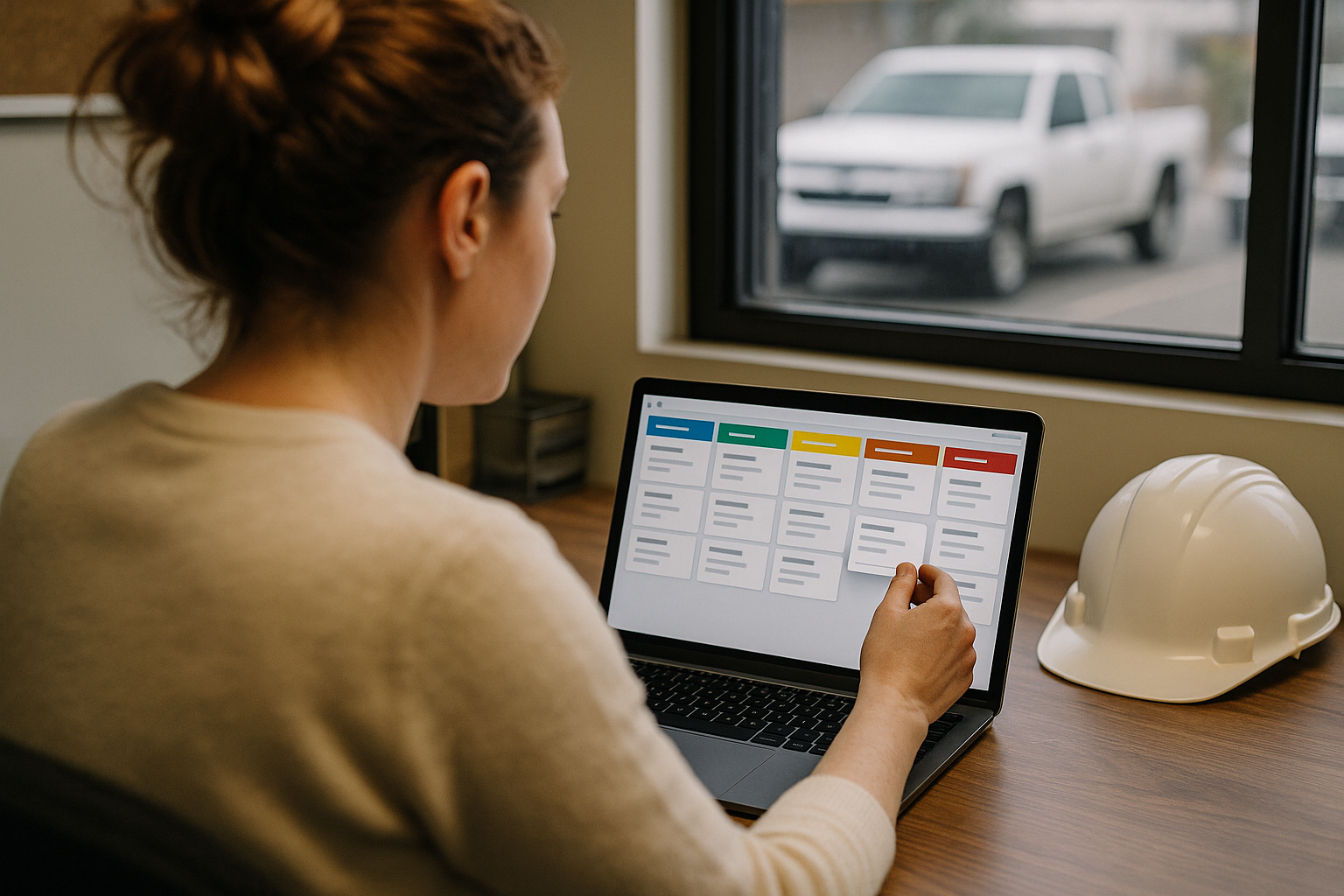
A GoHighLevel pipeline organizes every roofing lead into a visual board with columns. Each column represents a stage in your sales process. When a lead moves from one stage to the next, automations trigger the right follow-up at the right time. Here are the five stages built for roofing operations:
| Stage | What It Means | Automation Triggered | Goal |
|---|---|---|---|
| 1. New Lead | Lead just came in via call, form, or ad | Instant SMS + email within 60 seconds | Acknowledge and begin conversation |
| 2. Contacted | First response sent, waiting on reply | Follow-up sequence (3 texts over 48 hours) | Book an inspection appointment |
| 3. Inspection Scheduled | On-site visit booked on calendar | Appointment reminder (24 hrs + 1 hr before) | Reduce no-shows, confirm address |
| 4. Estimate Sent | Quote delivered to homeowner | Follow-up drip (Day 1, Day 3, Day 7) | Close the deal before they shop around |
| 5. Job Booked / Lost | Final outcome recorded | Review request (booked) or re-engagement (lost) | Collect reviews or nurture for future |
Stage 1: New Lead
Every lead enters the pipeline here, whether it comes from a Google ad, a website form, a phone call, or a Facebook campaign. The critical metric is response time. HBR research confirms that leads contacted within five minutes are 21 times more likely to convert than those contacted at 30 minutes. In GoHighLevel, a workflow triggers an instant SMS the moment a contact enters this stage. That message acknowledges their request and asks a qualifying question, such as the type of roof or the nature of the damage.
Stage 2: Contacted
Once the first response goes out, the lead moves to Contacted. This stage exists because most leads do not reply to the first message. HubSpot data shows 80% of sales require five or more follow-ups. GoHighLevel handles this with a three-text sequence spaced over 48 hours. Each message adds value rather than just saying "checking in," offering links to your portfolio, insurance filing tips, or a direct booking link for an inspection.
Stage 3: Inspection Scheduled
When a homeowner books an on-site inspection, the lead moves to this stage. GoHighLevel sends automated appointment reminders at 24 hours and one hour before the visit. This reduces no-shows, which cost roofing companies both time and fuel. The reminder also confirms the property address and provides the inspector's name so the homeowner knows who to expect.
Stage 4: Estimate Sent
After the inspection, the sales rep delivers a quote. This is the most vulnerable stage in roofing sales because homeowners often collect two to four estimates before deciding. A follow-up drip activates automatically: Day 1 checks if they have questions, Day 3 shares a testimonial or case study, and Day 7 creates gentle urgency with a note about crew availability. According to HBR, the company that follows up fastest and most consistently wins 78% of the time.
Stage 5: Job Booked or Lost
The final stage records the outcome. Booked jobs trigger an automated review request after the project wraps, feeding your Google Business Profile. HubSpot reports that 87% of consumers read reviews before choosing a local business. Lost deals enter a long-term nurture sequence so you stay top of mind for future work, referrals, or when they are ready to revisit the project.
What Does a Roofing Pipeline Look Like in Action?
Consider a mid-size roofing company in Dallas running CRM automation for their roofing operation. Before setting up their GoHighLevel pipeline, the owner and two sales reps managed everything through a shared Google Sheet. During a spring hailstorm, 87 leads came in over five days. They contacted about 40, sent estimates to 22, and booked 11 jobs.
After building the five-stage pipeline with automations, the same volume of storm leads produced dramatically different results. Every new lead received an SMS within 60 seconds. The automated follow-up sequences kept leads engaged even when the sales reps were on job sites. Appointment reminders cut inspection no-shows from roughly 25% down to under 10%.
The estimate follow-up drip was the biggest factor. Previously, sent estimates just sat in email inboxes with no follow-up. With the Day 1, Day 3, and Day 7 sequence running automatically, the close rate on sent estimates climbed from roughly 50% to over 65%. On an average job value of $14K, those extra closed deals added over $100K in revenue during a single storm season. The pipeline did not generate new leads. It simply stopped the existing ones from leaking out.
Stop Losing Roofing Leads to Slow Follow-Up
We build GoHighLevel pipelines and automations for roofing companies. Let us show you the exact setup during a free strategy call.
Book Your Free Strategy CallWhat Automations Should Connect to Each Pipeline Stage?
A pipeline without automations is just a prettier spreadsheet. The real power of GoHighLevel for roofing companies is connecting workflow automations to each stage transition. Here is exactly what to build:
New Lead triggers: An instant SMS (under 60 seconds) thanking the homeowner for reaching out and asking about the type of work needed. A simultaneous email with your company introduction, license number, and a link to your Google reviews. An internal notification to your sales rep via SMS or app alert. HubSpot reports an SMS open rate of 98% compared to 20% for email, which is why the text goes first.
Contacted triggers: A three-message follow-up sequence over 48 hours. Message one (4 hours later) shares a link to your project gallery. Message two (24 hours) offers a direct booking link for an inspection. Message three (48 hours) creates urgency by mentioning current crew availability. Each message is designed to move the lead to stage three without requiring manual effort from your team.
Inspection Scheduled triggers: A confirmation email with the date, time, inspector name, and property address. A reminder text 24 hours before. A second reminder one hour before. If the homeowner does not confirm, an automated follow-up offers to reschedule rather than letting the appointment silently die.
Estimate Sent triggers: A Day 1 follow-up asking if they have questions about the quote. A Day 3 message sharing a relevant testimonial from a similar project. A Day 7 message noting crew scheduling windows. If no response after 14 days, the lead moves to a long-term nurture campaign. This is where most roofing companies lose the most money, because estimates without follow-up close at half the rate of estimates with a structured sequence.
Job Booked triggers: A congratulations message with next steps and timeline expectations. After project completion, an automated review request sent via SMS with a direct link to your Google Business Profile. Roofing companies that capture reviews consistently build the online reputation that drives future organic leads.
Lost triggers: A professional closing message thanking them for their time. Enrollment in a quarterly re-engagement campaign. Many "lost" roofing leads come back months later for a different project, a referral, or because the competitor they chose did not deliver.
Frequently Asked Questions About GoHighLevel Pipelines for Roofing
How many pipeline stages should a roofing company use in GoHighLevel?
Five stages cover the full roofing sales cycle: New Lead, Contacted, Inspection Scheduled, Estimate Sent, and Job Booked or Lost. Some companies add a sixth stage for Insurance Pending if they handle a high volume of storm damage claims that require adjuster approval before work begins. Keep it simple. More stages create more friction for your team without adding clarity.
Can GoHighLevel handle storm season lead surges for roofers?
Yes. GoHighLevel's automated workflows respond to every new lead within 60 seconds regardless of volume. During storm season, when a roofing company might receive 50 to 200 leads in 48 hours, the pipeline ensures every lead is tracked, contacted, and followed up with automatically. No lead sits untouched because your team is overwhelmed. The pipeline gives your office coordinator a visual board showing exactly which leads need human attention and which are being handled by automations.
What is the most important automation in a roofing pipeline?
The instant SMS triggered when a lead enters Stage 1 has the highest impact. HBR research shows responding within five minutes makes conversion 21 times more likely. This single automation closes the speed gap that causes roofing companies to lose leads to faster competitors. The estimate follow-up drip at Stage 4 is a close second, because unsent follow-ups on delivered quotes represent the most expensive leak in the roofing sales process.
How much does it cost to lose roofing leads without a pipeline?
With average residential roofing jobs ranging from $10K to $25K, losing just five leads per month to poor follow-up means $50K to $125K in missed annual revenue. Commercial projects at $30K to $100K per job make the losses even steeper. Rockitgo Digital estimates that contractors lose an average of $126K per year to missed calls alone, before accounting for leads lost to slow follow-up or dropped estimates. A structured pipeline typically pays for itself within the first month.
Build the Pipeline That Stops Roofing Leads From Disappearing
Every roofing lead represents $10K to $25K in potential revenue. Without a structured pipeline, those leads leak out through slow responses, forgotten follow-ups, and estimates that never get a second touch. A GoHighLevel pipeline built for roofing gives your team complete visibility into every active deal, while automations handle the repetitive follow-up that most companies skip.
The five-stage structure, from New Lead through Job Booked, maps directly to how roofing sales actually work. Each stage triggers the right message at the right time. Your office coordinator sees exactly where every lead stands. Your sales reps spend time on inspections and estimates instead of chasing down phone numbers. And during storm season, the system scales without adding headcount.
Rockitgo Digital builds GoHighLevel pipelines and automations specifically for roofing companies and high-value contractors. If you want this exact pipeline set up and running in your business within two weeks, book a free strategy call below.
Ready to Build Your Roofing Pipeline?
We will set up your 5-stage GoHighLevel pipeline with automations tailored to your roofing operation. No contracts, no fluff, just a system that captures every lead.
Book Your Free Strategy Call